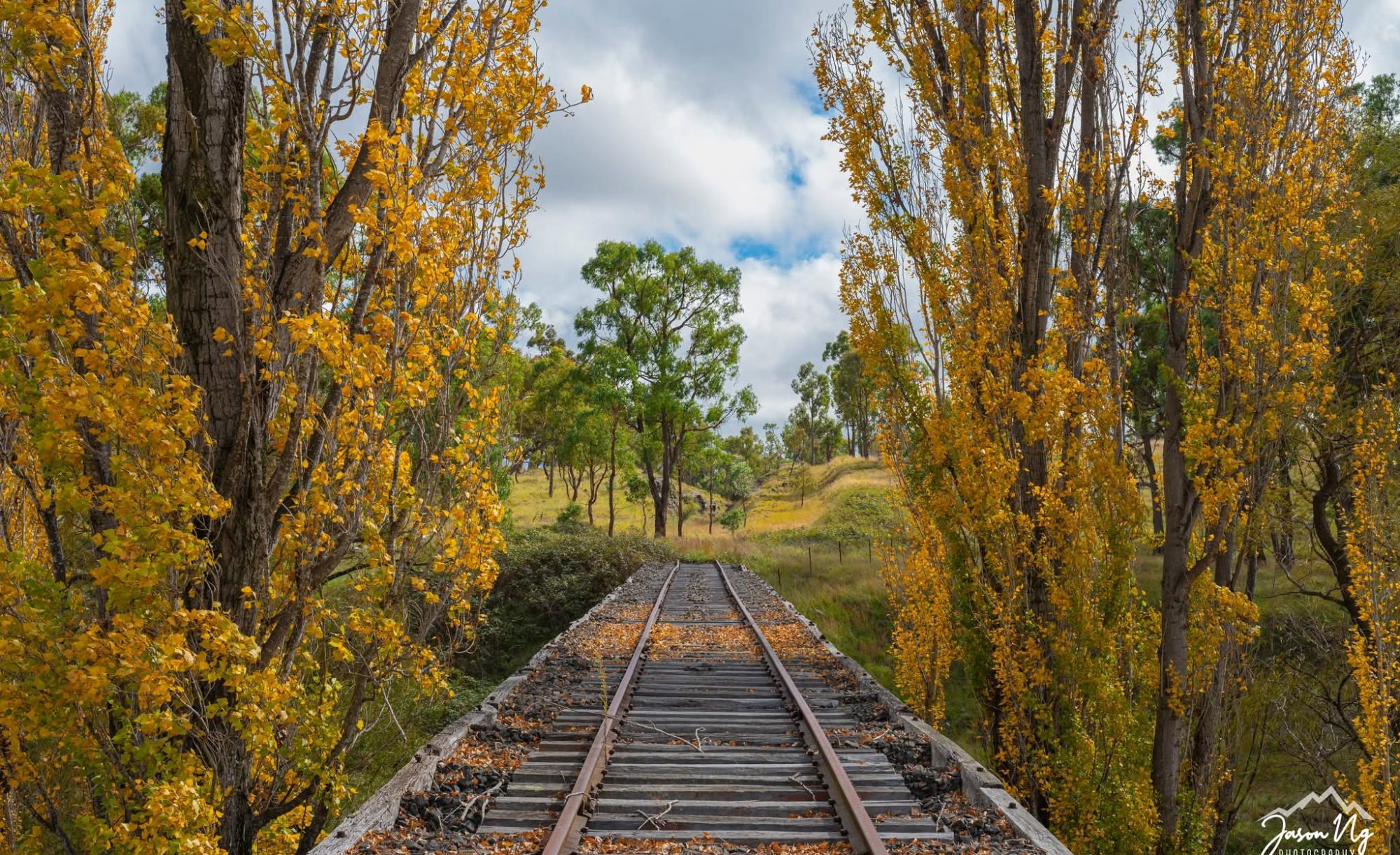
1. The Great Northern Rail Line is a Strategic State Asset — Not a Local Recreation Strip
Key message: NSW cannot afford to permanently decommission a 100‑year‑old interstate corridor during a period of population growth, freight expansion, and defence uncertainty.
Minister‑level points:
- It is one of only three north–south inland transport corridors in NSW.
- Removing rail permanently eliminates future options for:
- freight bypasses
- inland passenger services
- emergency logistics
- defence mobility (AUKUS era)
- Once rail is removed, reinstatement becomes politically and financially impossible.
- NSW Treasury has repeatedly warned against irreversible disposal of strategic transport corridors.
 2. Rail Trail Conversion Creates a Permanent Liability for NSW
Key message: Rail trails look cheap upfront, but they create long‑term maintenance obligations for councils and the State.
Minister‑level points:
- Rail trails require annual resurfacing, vegetation control, bridge maintenance, and safety compliance.
- Councils routinely request ongoing state funding to maintain trails — creating a permanent budget line.
- The GNR corridor includes dozens of bridges, culverts, cuttings, and heritage structures that become NSW’s responsibility if rail is removed.
- Rail removal triggers heritage obligations, not heritage exemptions.
 3. Rail Restoration Aligns With NSW Government Priorities — Rail Trails Do Not
Ministers respond to alignment with existing policy frameworks.
Rail restoration aligns with:
- Net Zero Transport Strategy Rail freight reduces emissions by up to 75% compared to road freight.
- Regional Development Framework Rail supports long‑term economic uplift, not seasonal tourism.
- Future Transport Strategy 2056 Preserves multi‑modal corridors and avoids irreversible decommissioning.
- Population Growth Planning Northern Tablelands population is projected to grow, not shrink.
- Road Safety & Heavy Vehicle Reduction Rail freight reduces road maintenance costs and crash risk.
Rail trails do not align with:
- transport goals
- freight strategy
- net‑zero freight transition
- regional mobility
- long‑term infrastructure planning
They align only with tourism, which is not a core Transport portfolio priority.
 4. The Rail Trail Feasibility Study Is Not Neutral — It Is the First Step in Permanent Rail Removal
Ministers need to understand the irreversibility.
Key message: Approving Stage 2 of the rail trail is effectively approving the permanent decommissioning of the Great Northern Rail Line.
Points that land:
- Stage 2 includes removal of rail, sleepers, ballast, and signalling.
- Once removed, the corridor cannot be reinstated without hundreds of millions in new capital works.
- No NSW rail corridor has ever been reinstated after conversion to a trail.
- The decision is binary and irreversible.
 5. Rail Restoration Is Cheaper Than Ministers Think — Because NSW Doesn’t Need Full Reinstatement Immediately
This is a powerful argument because it reframes cost.
Key message: Restoration can be staged, targeted, and aligned with freight demand — not done all at once.
Minister‑friendly points:
- NSW can restore Armidale → Black Mountain first (low cost, high benefit).
- Freight operators only need partial reinstatement initially.
- Staged restoration spreads cost over 10–20 years, matching budget cycles.
- Federal funding is available for inland freight resilience and regional transport activation.
 6. Rail Trails Create Legal and Cultural Risk — Rail Restoration Avoids It
This matters to Ministers because risk = political cost.
Cultural Heritage
- The corridor contains Aboriginal cultural sites that require protection.
- Rail removal triggers disturbance, which increases legal exposure.
- Rail restoration maintains the corridor in situ, avoiding ground disturbance.
Safety & Liability
- Rail trails increase risk exposure for:
- cyclist injuries
- bridge failures
- livestock interactions
- fire access issues
- Rail corridors have existing engineering standards and lower liability.
 7. Rail Trails Deliver Modest Benefits — Rail Delivers Structural Benefits
Ministers respond to scale.
Rail trail benefits:
- modest tourism
- seasonal visitation
- small business uplift
- recreation
- health
Rail benefits:
- freight
- transport
- regional development
- population growth
- climate strategy
- emergency logistics
- long‑term economic transformation
Ministers care about structural benefits, not seasonal ones.
Hope this info is of benefit to our argument and letters to the relevant NSW State Ministers to stop this destructive bike path.
Shane Voigt
New England Innovation & Development
Guyra
svoigt@bigpond.net.au
18-sep-2026